Brain and Neuro Health

[ Clinical trial ] Randomized, double-blind, placebo-controlled human trial (2025/12-2026/06)

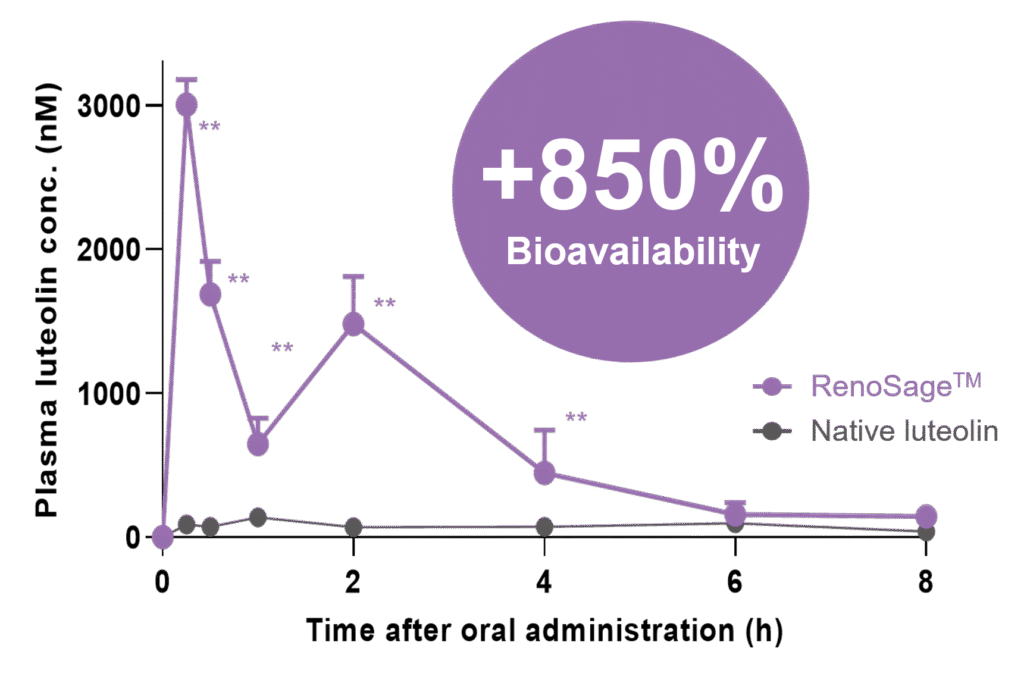
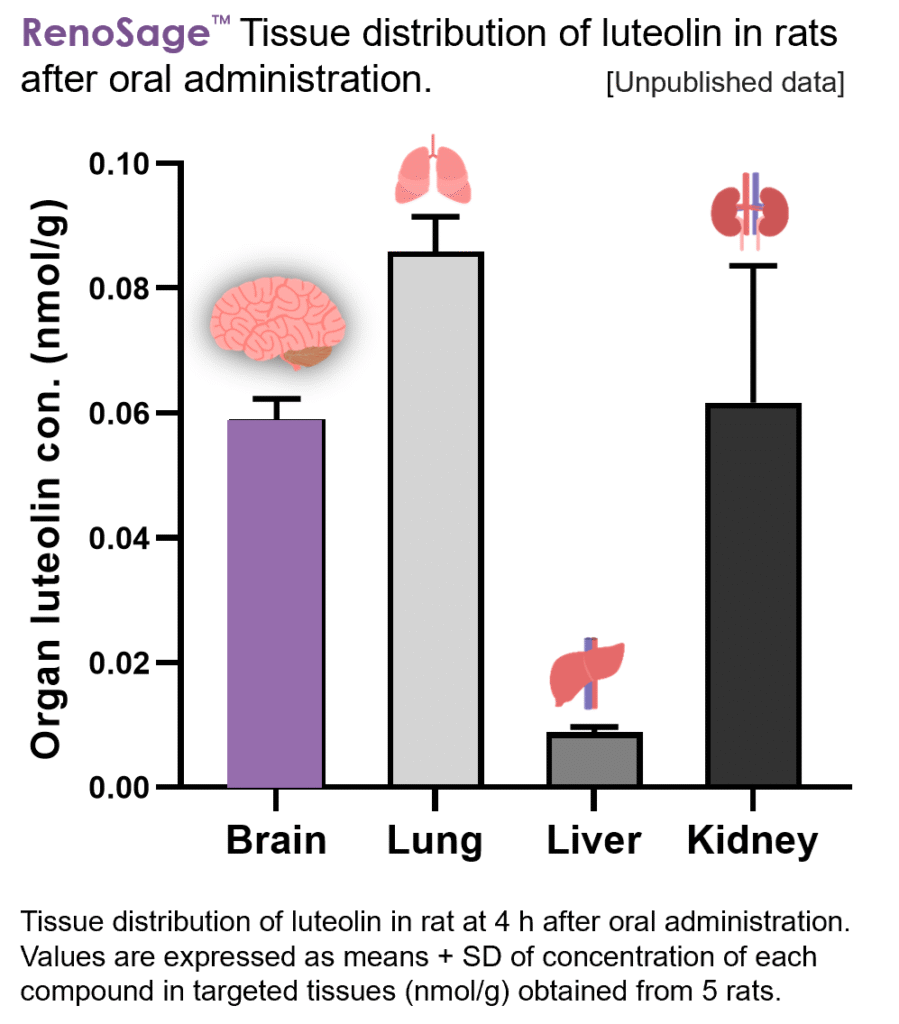
[ Animal study: Distribution test ] RenoSage™ overcomed the blood-brain barrier to achieve efficient delivery of luteolin to the brain, where it exerts its bioactive effects.
 

[ Relevant Peer-Reviewed Publications ]

BRAIN HEALTH
Daily et al. (2021) Biofactors
Luteolin has anti-oxidant and anti-inflammatory activities and improves glucose metabolism by potentiating insulin sensitivity and improving β-cell function and mass. This review suggests that luteolin intake can enhance brain insulin resistance and neuroinflammation, directly and indirectly, to protect against the development of Alzheimer’s-like disease, and the gut microbiota-liver-brain axis is mainly involved in the indirect pathway. 

https://doi.org/10.1002/biof.1703

NEURO HEALTH
Taliou et al. (2013). Clinical therapeutics
Accumulating evidence suggests an association between autism spectrum disorders (ASD) and inflammation in brain regions related to cognitive function. The natural flavonoid luteolin has antioxidant, anti-inflammatory, mast cell-blocking, and neuroprotective effects. The clinical results are encouraging in that the combination of the flavonoids luteolin and quercetin seemed to be effective in reducing ASD with no major adverse effects.

http://dx.doi.org/10.1016/j.clinthera.2013.04.006
Lung Health

[ Animal study: Distribution test ] Distribution testing demonstrated that the marker compounds of RenoSage™ reached appreciable concentrations in lung tissue after absorption. This tissue distribution profile suggests a potential role of luteolin in supporting pulmonary health.

[ Relevant Peer-Reviewed Publications ]
LONG COVID-19 SUPPORT
Versace et al. (2023) Clinical Neurophysiology
Long Covid patients with fatigue and cognitive problems show impairment of cortical GABAB activity and reduced plasticity in primary motor cortex. Co-ultramicronized palmitoylethanolamide with luteolin (PEA-LUT) 700 + 70 mg bid for 8 weeks restores GABAB neurotransmission and cortical plasticity. PEA-LUT is a candidate for the treatment of long Covid patients.

http://dx.doi.org/10.1016/j.clinph.2022.10.017

Long COVID Support

[ In vitro test ] 
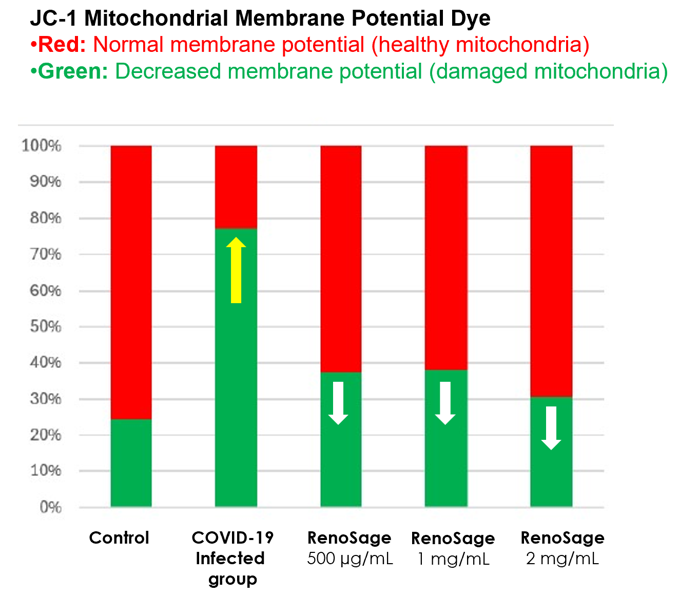
RenoSage Improves Mitochondrial Dysfunction Following COVID-19 Infection

In the early stage of infection, increased green fluorescence indicates viral infection–induced mitochondrial damage. RenoSage™ treatment reduced green fluorescence and enhanced red fluorescence, demonstrating restoration of membrane potential and protection of mitochondrial function. Luteolin, the active component of RenoSage™, exerts antioxidant effects by scavenging ROS and alleviating iron-induced oxidative stress, thereby contributing to mitochondrial recovery.

[ Relevant Peer-Reviewed Publications ]
LONG COVID-19 SUPPORT
Versace et al. (2023) Clinical Neurophysiology
Long Covid patients with fatigue and cognitive problems show impairment of cortical GABAB activity and reduced plasticity in primary motor cortex. Co-ultramicronized palmitoylethanolamide with luteolin (PEA-LUT) 700 + 70 mg bid for 8 weeks restores GABAB neurotransmission and cortical plasticity. PEA-LUT is a candidate for the treatment of long Covid patients.

http://dx.doi.org/10.1016/j.clinph.2022.10.017

Uric Acid Control

[ Relevant Peer-Reviewed Publications ] URIC ACID CONTROL
Takara et al. (2022) Functional Foods in Health and Disease
Thirty-nine subjects completed the trial, and the per protocol set comprised 18 and 21 subjects in the active and placebo groups, respectively. Iin the 12-week ingestion study, serum uric acid levels were significantly lower in the CFE group than in the placebo group. Laboratory tests revealed no abnormalities to suggest any side effects of CFE.

http://dx.doi.org/10.31989/ffhd.v12i1.863

[ Relevant Peer-Reviewed Publications ]

JOINT HEALTH & COMBATS INFLAMMATION
Yang et al. (2018) Biochemical Pharmacology
Neutrophilic inflammatory responses are possible therapeutic targets for the management of inflammatory disorders. In the present study, we found that luteolin significantly reduced cell chemotaxis, ROS production, elastase release, and NETs formation in human neutrophils. Our in vivo data support the findings that neutrophilic inflammation plays a critical role in the pathogenesis of paw injury caused by CFA and luteolin has potential to treat neutrophilic disease. 

http://dx.doi.org/10.1016/j.bcp.2018.06.003

PREVENTS METABOLIC DYSFUNCTIONS
Zhang et al. (2022). Critical Reviews in Food Science and Nutrition
Diet supplementation of luteolin has been reported to inhibit AT lipogenesis and inflammation as well as the ectopic lipid deposition, increase AT thermogenesis and systemic energy expenditure, and finally improve obesity and associated metabolic diseases.
http://dx.doi.org/10.1080/10408398.2022.2138257

SKIN HEALTH
Gendrisch et al. (2021) Biofactors
The present review summarizes the recent in vitro and in vivo research on luteolin in the field of skin aging and skin cancer, wound healing as well as inflammatory skin diseases, including psoriasis, contact dermatitis and atopic dermatitis. In conclusion, luteolin might be a promising molecule for the development of topic formulations and systemic agents against inflammatory skin diseases.

http://dx.doi.org/10.1002/biof.1699

About luteolin

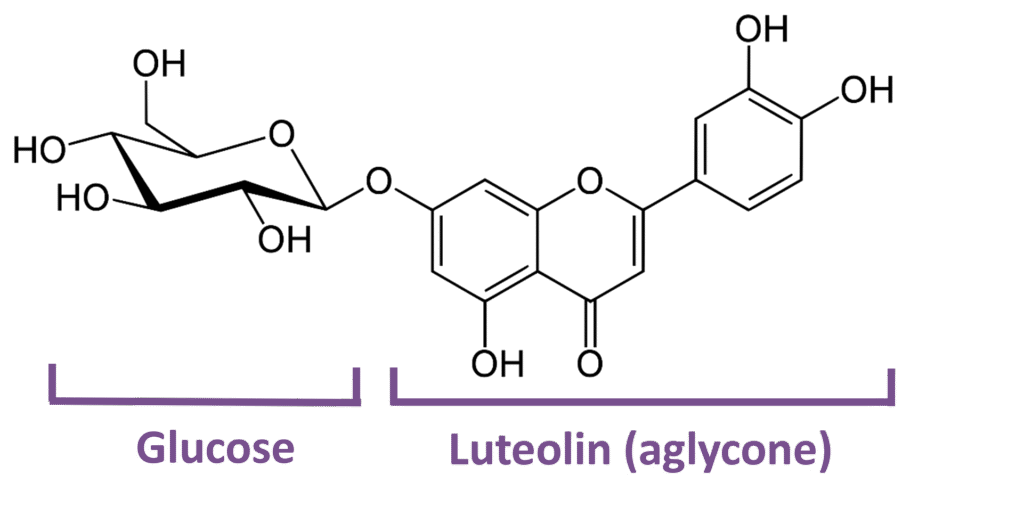
Luteolin is a polyphenol found in various vegetables, fruits, flowers, and herbs, including celery, broccoli, green pepper, navel oranges, dandelion, peppermint, and rosemary.

Luteolin has multiple beneficial effects, particularly in regulating inflammation-related symptoms, exhibiting antioxidant and neuroprotective activities, and providing protection against neurodegeneration.